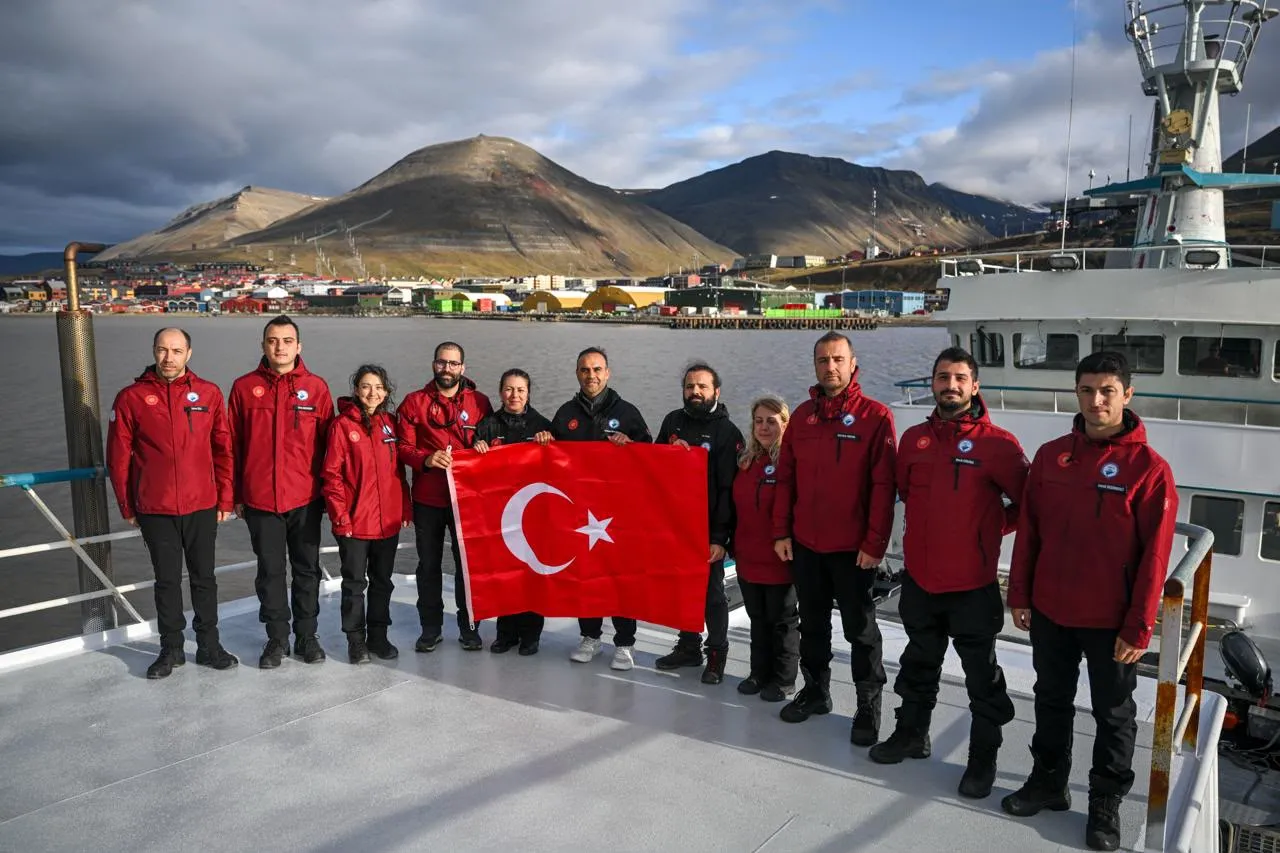

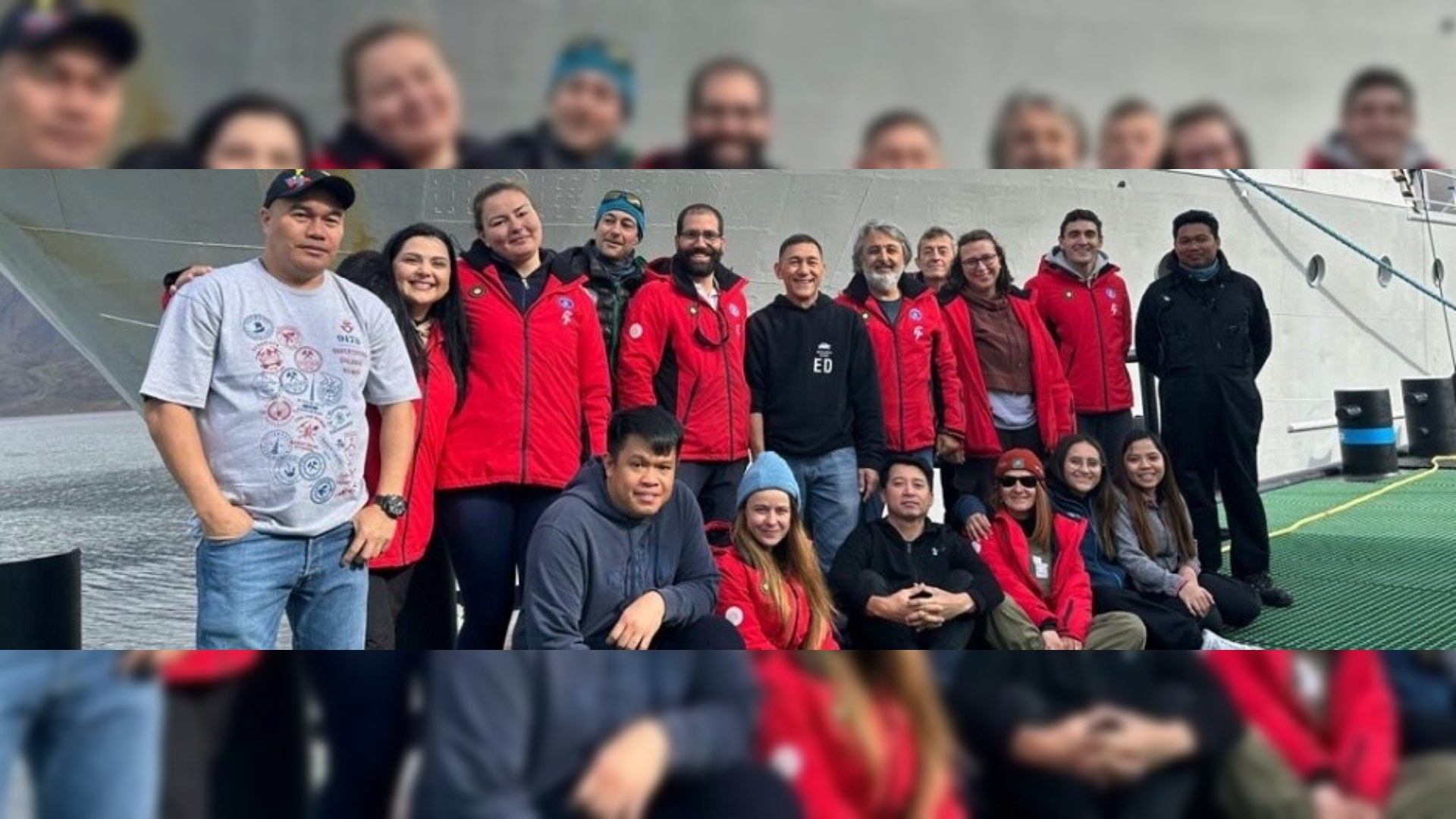
The 4th National Arctic Scientific Research Expedition (TASE IV) was conducted aboard the Norwegian-flagged research vessel PolarXplorer, which set sail from Tromsø, Norway, and proceeded first to Svalbard and then into the depths of the Arctic Ocean. Samples were collected from 54 different stations along the route during the expedition. Researchers from Bulgaria and Chile were also hosted on TASE IV.
Changes in the Arctic are having an impact on marine biodiversity. Phytoplankton, which form the foundation of the marine food web, are highly sensitive to these changes and can have large-scale effects on the ecosystem. Similarly, the melting of glaciers and sea ice not only affects species that depend on these habitats but also has implications for global climate patterns, sea-level rise, ocean circulation, and its interaction with the atmosphere.
The ongoing collaboration between the Chilean Antarctic Institute (INACH) and the TÜBİTAK MAM Polar Research Institute has provided María José Nariño, a researcher at the Research Center for the Dynamics of High-Latitude Marine Ecosystems (IDEAL), to conduct scientific research in the Arctic Ocean. Nariño participated as a visiting researcher in the 4th National Arctic Scientific Research Expedition, which took place in the Northern Hemisphere during the summer of 2024, to study the diversity, abundance, and ecology of phytoplankton responding to environmental conditions caused by climate change.
This first collaboration at the North Pole, carried out together with polar researchers from Chile and Turkey, paves the way for future comparative studies that could be conducted at both ends of the planet.
During her mission, Nariño collected her samples using phytoplankton nets and advanced filtration techniques. Through this research, he is contributing to the analysis of genetic diversity and the detection of toxins found in Arctic waters. Nariño said, “The most important field component of my work was being able to collect water samples from the shallow depths of the Arctic Ocean. We also conducted vertical tows using a phytoplankton net. We stored all these samples in bottles so they could be used in the laboratory analyses, which are the next phase of our project,” he said.
Regarding his experience in Nariño, he emphasized the following: “I had the opportunity to learn a great deal during TASE IV. I exchanged ideas with all the researchers throughout the expedition. Given how we supported one another during the fieldwork, it was a very enriching experience.”
Dr. José Luis Iriarte, a researcher at the IDEAL Center and the project’s lead investigator, said, “The Arctic Ocean is a sensitive indicator of global changes, particularly in Europe. This region is home to unique ecosystems and high biodiversity, and it is under threat due to rapid warming compared to other parts of the world, such as Antarctica,” he said. Iriarte emphasized that the project’s findings will reveal how phytoplankton responds to climate change in polar regions. “These changes are altering the composition and abundance of species in polar regions, where these small organisms are becoming increasingly dominant. He added, ”Furthermore, changes in the composition and abundance of phytoplankton will affect higher trophic levels and may lead to the emergence of toxic or harmful species that impact both marine fauna and human health.”.
The project focuses not only on the identification and measurement of phytoplankton toxins in surface waters but also on the analysis of phytoplankton genetic diversity using advanced filtration techniques.
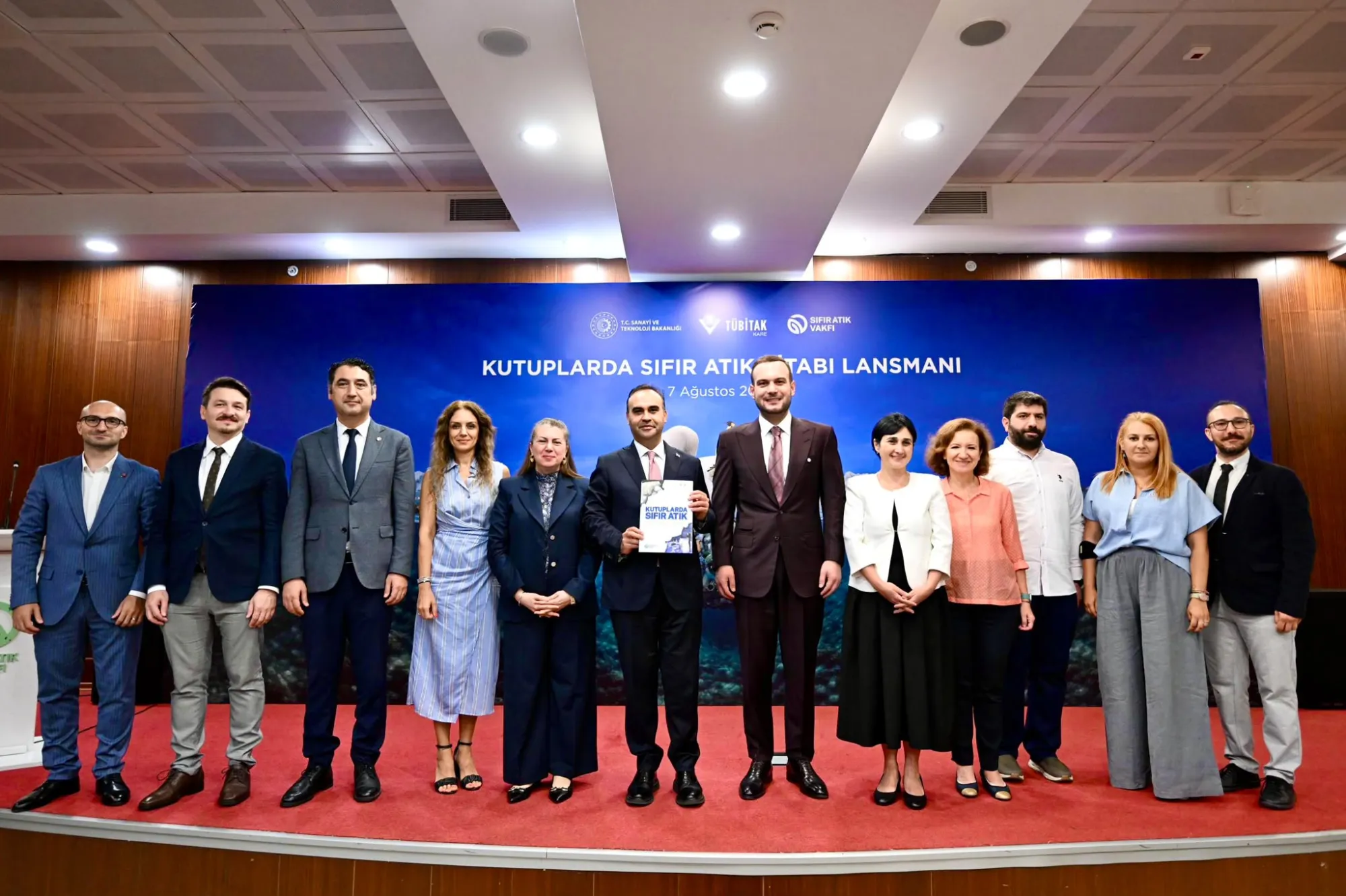
TASE IV was held under the patronage of the Presidency of the Republic of Turkey, with the support of the Ministry of Industry and Technology, and coordinated by the TÜBİTAK MAM Institute of Polar Research.
This pioneering collaboration between the two Arctic nations stems from the relationships both countries have maintained in Antarctica for several years—relationships that encompass not only scientific and logistical aspects but also educational ones. This joint effort represents a significant advancement in polar research, bringing together efforts to protect the extremely sensitive ecosystems of these regions and underscoring the importance of continuing research in areas where the effects of climate change are most pronounced and urgent.
In the coming years, as international cooperation continues to strengthen, our country’s contribution to international science will continue to grow through the invitation of researchers from other countries to participate in our National Polar Science Expeditions.
Source: https://www.inach.cl/colaboracion-entre-chile-y-turquia-permite-ampliar-…